
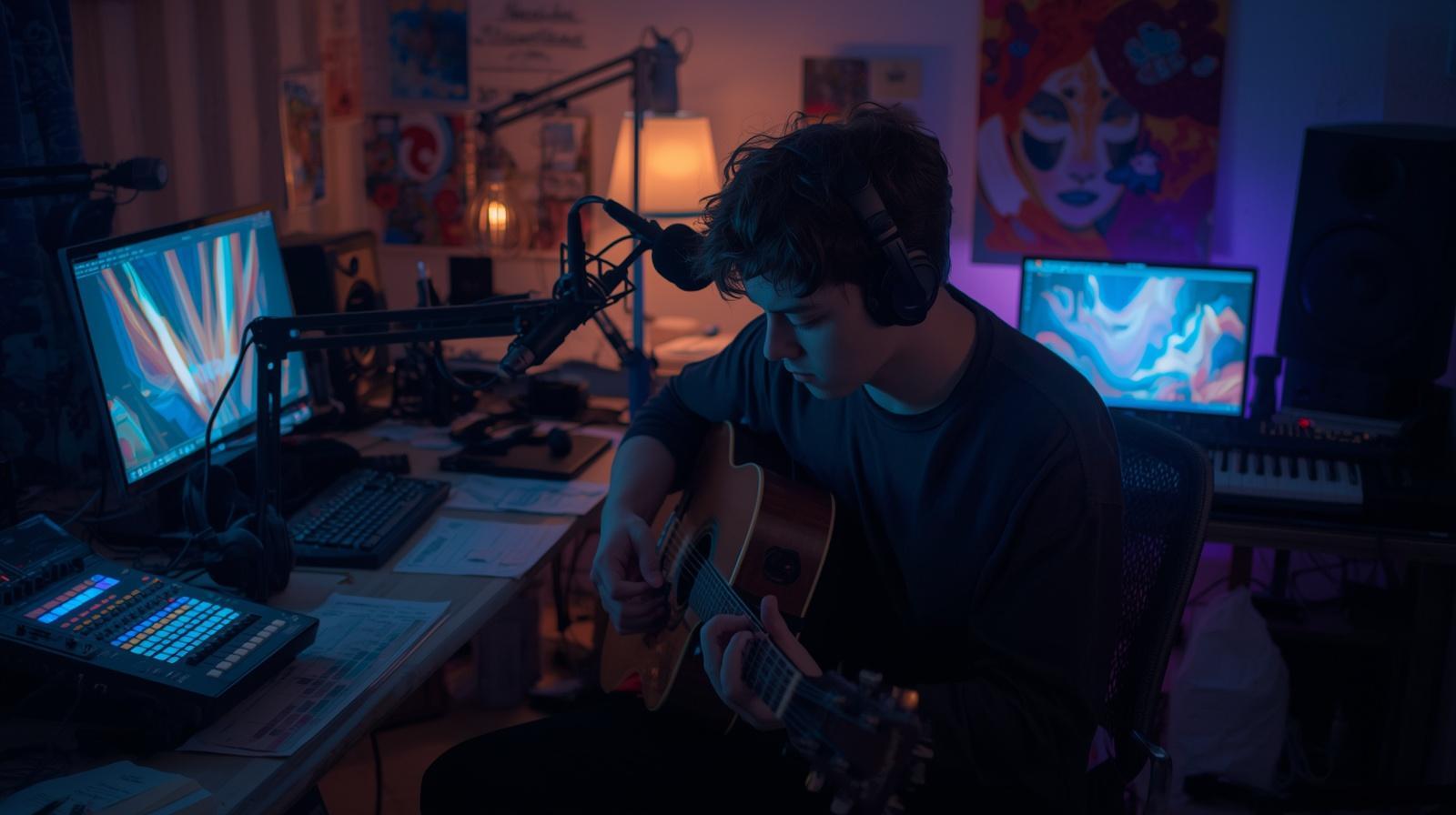
A disengaged crowd surrounded a neon lounge where a performer leaned over her guitar, barely looking up between songs. The audience was not attending a traditional concert.
Instead, clips of the performance had spread through entertainment communities tied to Rooli Casino Australia, where livestream culture, gaming, music, and online social spaces often overlap in unexpected ways.
For independent musicians struggling to stand out on crowded streaming platforms, these digital communities are becoming surprisingly valuable places to build an audience.
Entertainment Spaces Have Become More Social
Online entertainment no longer revolves around a single activity. People move between livestreams, chatrooms, playlists, gaming sessions, and short-form videos almost without thinking about it. A person might start watching gameplay, stay for the conversation, and leave with a new favorite song.
That shift has quietly created opportunities for independent musicians to reach audiences they might have ignored a few years ago.
A producer from Brisbane mentioned during a podcast interview that one of his tracks was accidentally featured during a gaming livestream. Viewers started asking about the song in the chat, and within days the track gained more attention than some of his carefully planned promotional campaigns.
“I honestly thought people there only cared about games,” he admitted. “Turns out they care about the atmosphere too.”
Moments like that show how internet culture has changed. Music is no longer confined to music platforms alone. It has become part of the background experience that shapes online spaces.
Music Helps Shape Digital Atmospheres
One thing many creators have noticed is how strongly music influences the mood of online communities. The right track can completely change the tone of a stream or social space. Soft electronic music may create a relaxed environment, while energetic beats can make viewers feel more involved and active.
Because of this, some independent musicians now create songs specifically for background listening or livestream use. Others still focus on mainstream appeal, but niche online spaces often provide stronger loyalty and more meaningful interaction.
Competition across streaming services remains intense. Smaller artists sometimes gain more traction by connecting with focused communities rather than chasing massive audiences where engagement disappears quickly.
A Sydney-based music blogger recently pointed out that many indie artists have started paying closer attention to entertainment streamers over the past two years. Not necessarily because of direct promotion, but because these spaces naturally expose music to highly engaged listeners.
The Growing Influence of Micro Audiences
The music industry still underestimates the value of dedicated microaudiences. Independent artists who build loyal communities often maintain stronger long-term engagement by sharing demos, livestream sessions, or casual updates that make listeners feel involved.
Digital entertainment communities thrive on exactly that kind of interaction. Users exchange recommendations, joke with each other, and form friendships around shared interests.
I remember hearing an unfinished synth-pop track during a livestream several months ago. The comments instantly filled with viewers asking for the artist’s name before the song had even ended. Oddly enough, that moment felt more genuine than many polished advertising campaigns.
As entertainment culture continues to evolve, musicians may discover that success comes less from chasing traditional industry formulas and more from finding communities that connect naturally with their work.
Even discussions around the psychology of gambling music and emotional digital atmospheres show how powerful sound can be in shaping online experiences. The internet moves fast, often unpredictably, and artists willing to experiment may end up finding audiences in places they never expected.