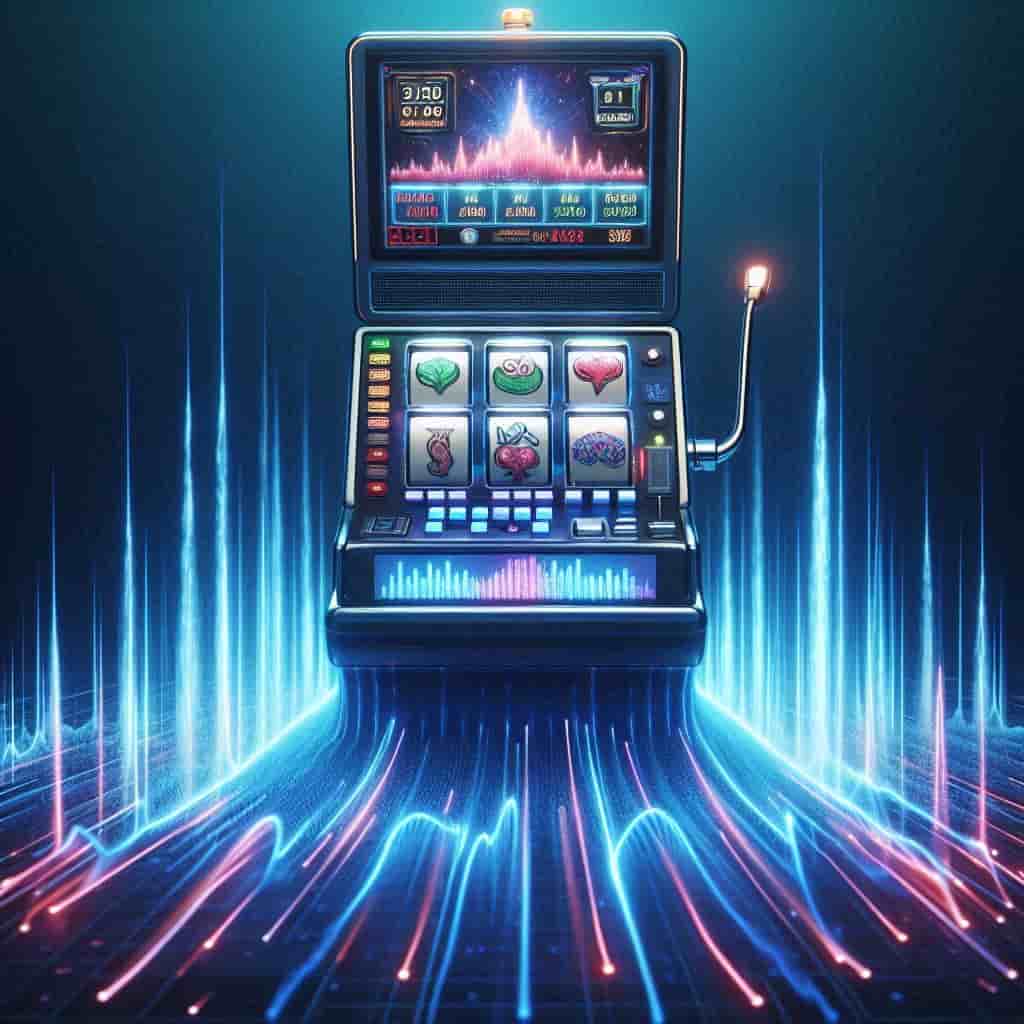
The Sound of Chance: How Music Creates Tension in Games and Entertainment
Music has the ability to influence how audiences experience a story, game, or live event. A gentle melody can create a feeling of calm, while rapid percussion and rising harmonies can build anticipation. In entertainment involving chance, sound design can make uncertain outcomes feel especially dramatic.
Understanding these techniques reveals how music contributes to atmosphere without changing the underlying probabilities of a game.
Building Anticipation Through Rhythm
Composers often use tempo, repetition, and changes in volume to shape audience expectations. A steady rhythm may establish a sense of movement, while a sudden pause can make the next sound feel more significant.
In films, a rising musical phrase may signal that an important revelation is approaching. Video games use similar techniques to prepare players for a difficult encounter or a major reward.
Some gambling environments also use celebratory sounds, suspenseful effects, and repetitive background music. These choices can make the experience feel immersive, but they do not alter the mathematical likelihood of a winning outcome.
Why Sound Effects Feel Rewarding
A distinctive sound can become associated with a particular event through repetition. For example, a bright musical cue may accompany a completed level, an achievement, or a successful action.
Over time, players may recognize the cue immediately and respond emotionally before consciously processing what happened.
Digital games can use audio feedback to communicate progress and make interfaces easier to understand. However, frequent celebratory effects can also make ordinary actions feel more significant than they are.
Designers should consider how these signals affect users, especially when games involve purchases, chance-based rewards, or financial transactions.
Music, Mood, and Decision-Making
Music may influence mood, arousal, and attention, but its effects vary among individuals and situations. A soundtrack that helps one person relax may distract another.
It is also important not to confuse emotional intensity with improved judgment. Feeling excited, confident, or focused does not mean that a random outcome has become more favorable.
People can make more deliberate decisions by reducing unnecessary distractions, taking breaks, and avoiding spending decisions when emotions are running high.
Creating More Responsible Entertainment
Game developers and entertainment providers can use sound design creatively while ensuring that important information remains clear. Users should be able to adjust volume, disable unnecessary effects, and access straightforward explanations of purchases or game mechanics.
A well-designed experience should respect the audience’s ability to make informed choices rather than relying solely on emotional stimulation.
Conclusion
Music is a powerful storytelling tool that shapes tension, excitement, and emotional responses. In games and gambling-related entertainment, sound can influence how events feel, but it cannot guarantee rewards or change random probabilities. Understanding the difference between atmosphere and actual outcomes helps audiences appreciate sound design while maintaining realistic expectations.

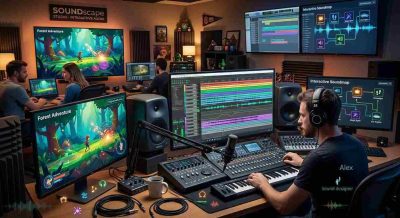 Sound and music are important parts of digital game design. They can communicate information, create atmosphere, signal events, and influence how players experience virtual environments. These elements become especially noticeable in games that use rewards, timers, and interactive feedback.
 There are now themes for slot games inspired by rock, pop, and electronic music. Every genre produces a distinctive gaming ambiance. Players can select the games according to their musical taste. This customization adds to the overall fun.


 Slot machines hum with energy, drawing players into their vibrant world. The flashing lights and spinning reels grab attention, but it’s the music and sound effects that truly hook players. Like a DJ crafting the perfect nightclub vibe, slot game designers use audio to shape emotions and keep players engaged. The right soundtrack can make every spin feel like a dance, stirring excitement and anticipation. This article explores how music influences emotions and betting behavior in slot games, drawing parallels to how DJs set the mood in high-energy nightclubs.


 Markets, whether financial or betting, are built on the idea that prices reflect available information. But just like in finance,
 Interestingly, the music in the stands can influence more than morale—it affects momentum. And momentum affects betting. Matches with louder, more consistent support often see home teams gaining a psychological edge.
 Musical-themed slot machines have a solid attachment into that feelings of players connection to music. Regardless if the tune is from a pop artist or a noticeable notes from the guitar of a rock band, slot games cover familiarity and nostalgia. Player may spin the reels while soundtracks are playing on the background. This makes the experience an interesting and pleasurable one compared to the traditional slot sounds.

 For fans of Baccarat, the right music can amplify the excitement and ambiance of each hand. Studies show that music can significantly enhance mood, reduce stress, and improve focus. This makes it an essential part of the gaming experience. When curated carefully, a playlist can make your Baccarat sessions more enjoyable and immersive.