
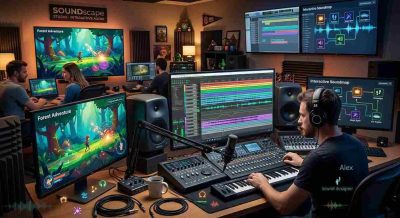
 Sound and music are important parts of digital game design. They can communicate information, create atmosphere, signal events, and influence how players experience virtual environments. These elements become especially noticeable in games that use rewards, timers, and interactive feedback.
How Sound Communicates Information
See below:
Audio Signals
A sound effect can indicate that an action was successful, a level has changed, or an important event has occurred. Because sound can provide immediate feedback, players can sometimes understand what is happening without looking directly at the screen.
Music Creates Atmosphere
Background music can establish a particular mood. Fast rhythms may create urgency, while slower music can make an environment feel calm or suspenseful.
Sound and Reward Systems
Here’s how:
Reinforcing Feedback
Digital games often pair rewards with visual and audio effects. A successful action may trigger a sound, animation, or musical change, creating a stronger sensory response.
Research on gambling technologies has examined the use of audio-visual and interactive features in digital gambling environments.
Timing
The timing of sound can affect how an event is perceived. A carefully synchronized sound effect can make an ordinary digital action feel more immediate and significant.
Designing Responsible Experiences
Check these out:
Entertainment Versus Manipulation
Sound and music are legitimate parts of interactive design, but designers must also consider how these features affect user behavior. Understanding the psychological effects of digital feedback can help developers create more transparent experiences.
Conclusion
Music and sound do much more than make games entertaining. They communicate information, establish atmosphere, and strengthen feedback. Their role demonstrates how technology can combine sensory design with interactive systems.